

PHP2Shell: Why Critical Vulnerabilities Demand Adaptive Security Testing
3 min. reading time – When a critical vulnerability emerges, like PHP2Shell yesterday... knowing what to test, where to focus, and how quickly to respond becomes just as important as the testing itself.

On October 21, 2026, two critical vulnerabilities in PHP, one of the most widely used programming languages behind websites and web applications, triggered urgent security warnings and emergency patching efforts worldwide.
Known collectively as PHP2Shell, the vulnerabilities (CVE-2026-109618 and CVE-2026-109619) could allow unauthenticated attackers to execute malicious code remotely on affected servers, potentially exposing sensitive information or compromising entire systems. With PHP powering much of the web, including applications built on WordPress, Drupal, Joomla, and other popular platforms, the potential impact extends across industries and organizations of all sizes.
But PHP2Shell also exposes a broader security challenge.
When a new threat emerges overnight, how quickly can your organization determine whether it’s exposed, adapt your testing priorities, and validate your defenses? This question goes beyond vulnerability management. It hits the heart of how traditional security testing often operates on predefined schedules that provide valuable insights, yet yesterday's disclosure proves our threat landscape does not follow the same schedule.
The PHP2Shell challenge
The vulnerabilities exist in PHP itself, rather than in a particular website or application. That means organizations must look beyond individual applications to understand which underlying technologies, servers, and services may be affected. For your security team, the immediate questions are:
- Which of our systems use affected PHP versions?
- Which of those systems are exposed to the internet?
- Are our existing security controls sufficient to reduce the risk?
- Where should our testing and remediation be re-prioritized?
- How can we validate that the necessary protections are working?
Answering these questions requires more than your vulnerability scanning tool. It requires an in-depth understanding of your organization's environment, the newly emerged threat itself, and the correct testing capabilities available to investigate it.
From vulnerability disclosure to seamless security coverage
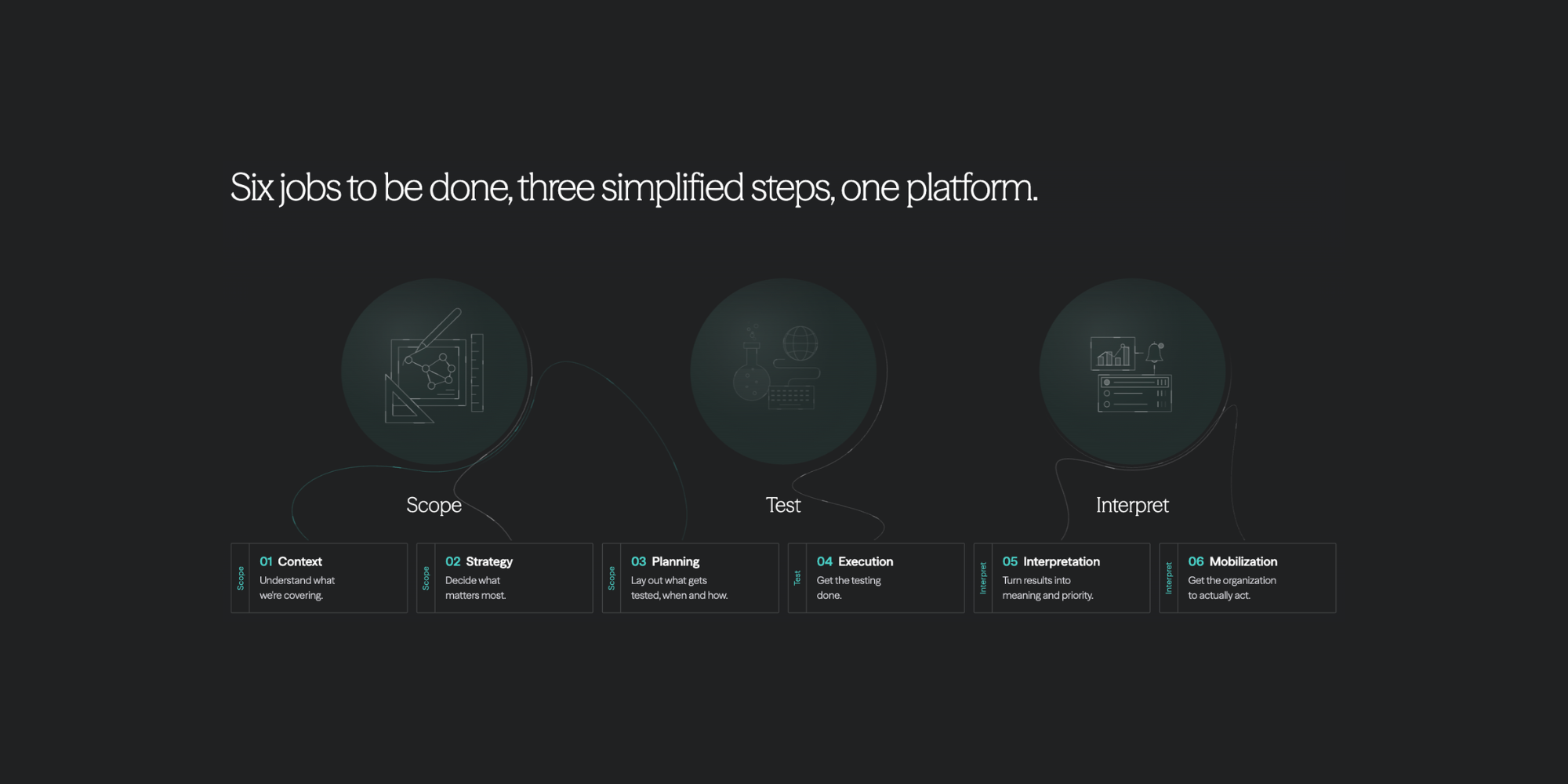
At SignalFisher, we operate as a live, adaptive program rather than a collection of isolated testing tools. When a material change occurs in the threat landscape, our testing program is intelligent enough to respond in real time. PHP2Shell provides a practical example of how this approach works with our Cyber Reslience Shield:
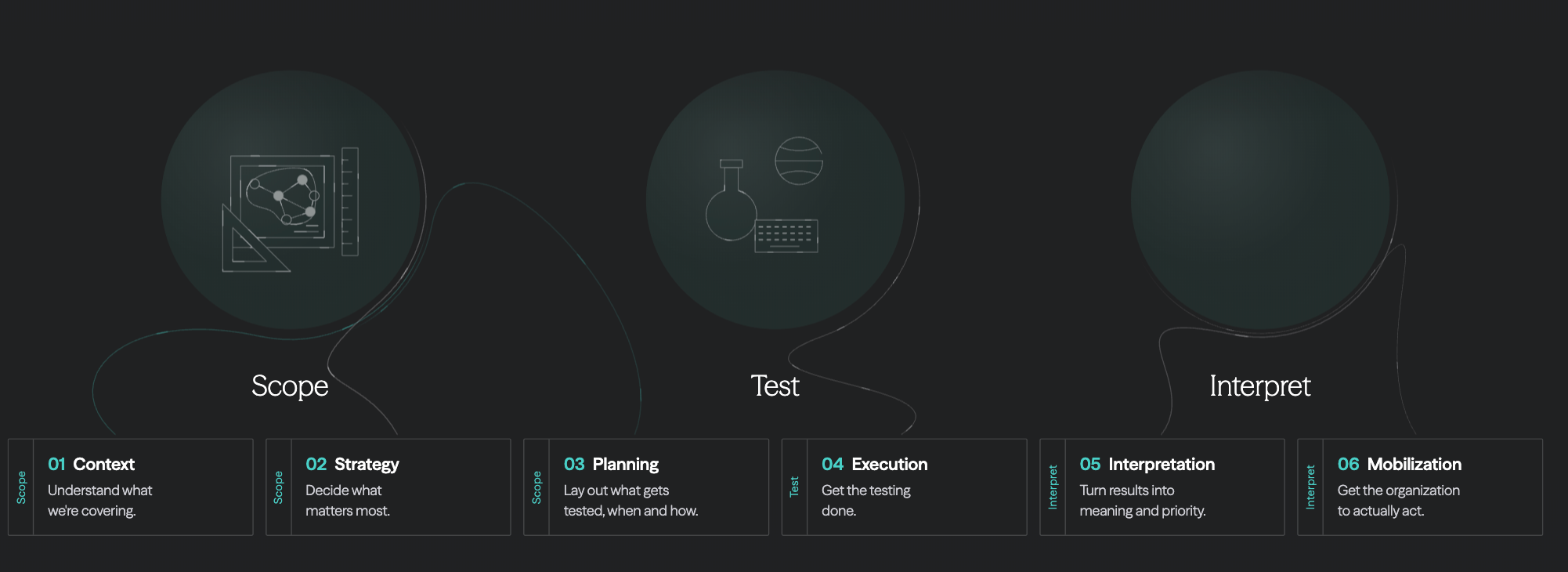
1. Understand the context
In response to the disclosure, SignalFisher updates technology enrichment across customer environments to identify potentially affected assets and prioritize further investigation. The presence of PHP alone does not confirm a vulnerability, as actual exposure depends on versions, configurations, and existing mitigations.
2. Adapt the testing strategy and plan
Once potentially affected assets are identified, our program evaluates available detection methods and determines whether automated testing, specialist security researchers, or a combination is best suited to validate exposure.
3. Activate the right testing capabilities
Where automated detection is insufficient, the Cyber Resilience Shield activates experienced ethical hackers to investigate potentially affected systems and validate actual exposure, adapting testing as new information emerges.
4. Turn findings into actionable decisions
Our intelligent security testing translates findings into actionable insights, distinguishing potential exposure from confirmed vulnerabilities and prioritizing efforts where they have the greatest impact. Our customers gain clarity on risks, priorities, and areas requiring immediate attention.
From reactive testing to confidence in coverage
Intelligent, adaptive testing determines what needs to be tested next, when, and why. The PHP2Shell disclosure demonstrates why frequency alone isn't enough. As threats evolve, your organization needs security testing that continuously adapts to emerging risks, learns and changes with your environmental needs, and updates based on current priorities, as well as risk tolerance.
At SignalFisher, we combine technology, human expertise, and business context to deliver Confidence from Coverage. Knowing your security testing is focused on what matters most, even as the threat landscape changes. Is your security testing program keeping pace? Connect with our team to discover how intelligent security testing can strengthen your coverage.
Learn more about the Cyber Resilience Shield