
 News
Intelligent Security Testing at GISEC Global 2026: From Continuous Testing to Board-Level Confidence
4 min. reading time – Cyber security has become a board-level question of resilience, trust and regulatory readiness. At GISEC Global 2026, Sandro Nafzger argued that organizations must move from periodic security tests to intelligent, continuous coverage – turning floods of findings into strategic clarity. SignalFisher calls it “Confidence from Coverage.”
Executive Summary
For security leaders cyber security is no longer a simple technical control function. It is a board-level question of resilience, trust, regulatory readiness, and business continuity. Sandro Nafzger’s keynote at GISEC Global 2026 addressed this shift directly: Organizations need to move from periodic security testing activities to a comprehensive, intelligent coverage program that reflects how fast digital risk changes today.
The executive challenge is not a lack of security data. Most organizations already generate large volumes of findings, alerts, and reports. The real challenge is turning that information into strategic clarity: Knowing which signals matter, how they affect the exposure of the business, and where the organization must focus their attention for the greatest impact.
SignalFisher’s slogan, “Confidence from Coverage,” speaks directly to this need. Coverage is not a report with evidence that systems have been tested. It is a reliable, current, and trusted understanding of the exposure relevant business critical assets face across the organization and the ability to respond with focus and assurance.
For C-suite, boards, and other risk leaders, intelligent security testing creates measurable strategic value: reliable governance, improved resilience, clearer prioritization, and greater trust for all stakeholders. It enables organizations to move from static snapshots to a living, program and 24/7 coverage. In other words, an adaptive security testing program that never stops learning, remains relevant, current, and trusted.
GISEC Global 2026 Keynote: Why Security Testing Needs a Hard Reset
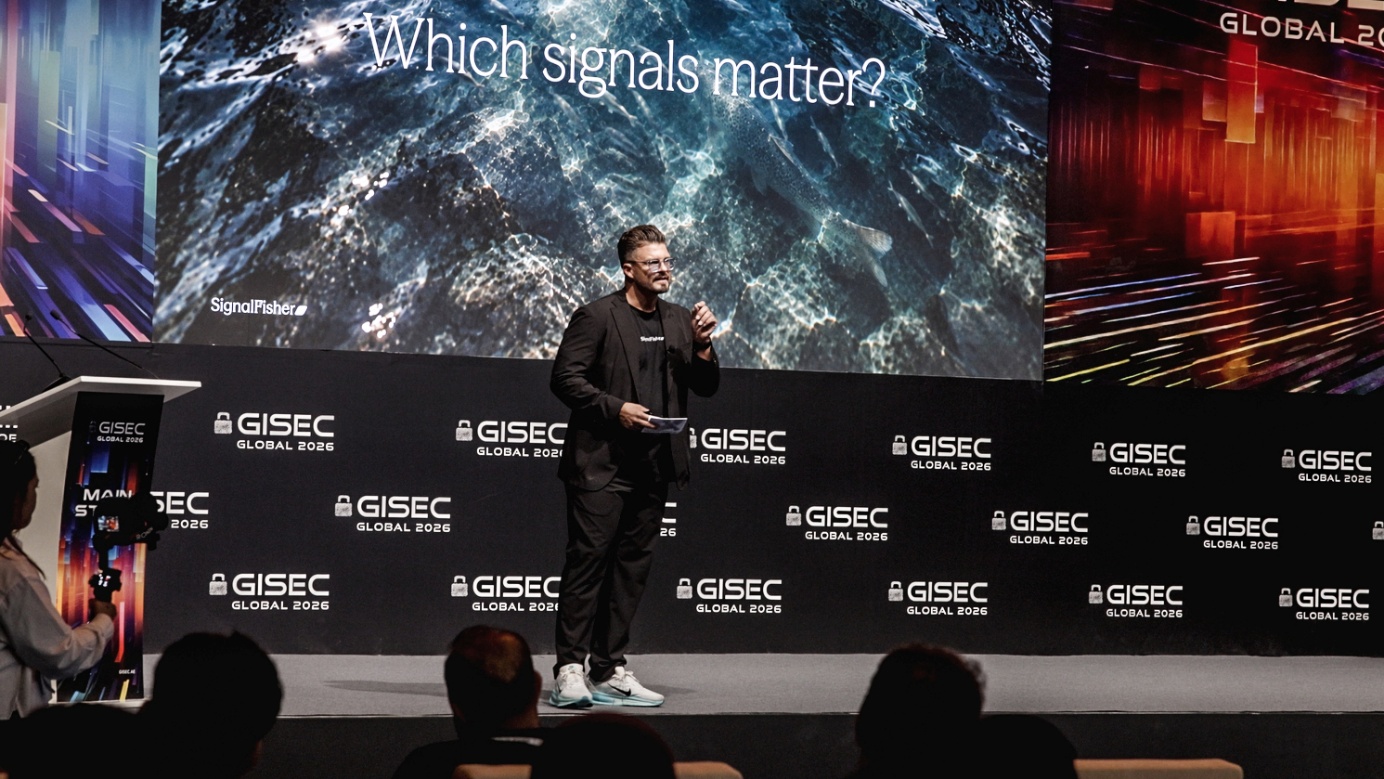
At GISEC Global 2026 in Dubai, one message was particularly relevant for senior decisionmakers: Security testing can no longer operate as a periodic technical exercise performed on a set schedule. In a business environment shaped by AI-enabled attackers, expanding attack surfaces, and increasing regulatory expectations, organizations need a testing model that is continuous, contextual, and decision-oriented.
This was the central message of SignalFisher CEO and Co-Founder, Sandro Nafzger’s keynote. His argument was not that organizations must test more often. It was that security testing must become more intelligent, meaning organizations’ strategy must be able to capture the correct signals, interpret them according to individual business context, and support timely decisions at both the operational and executive level.
Why Point-in-Time Testing No Longer Provides Enough Assurance
To illustrate the limitations of isolated assessments, Sandro used the story of Little Red Riding Hood. If one only looked at selected moments of the story’s plot (i.e. her journey begins, the destination is reached, she meets her grandma. Everything appears normal, the picture seems reassuring. Each snapshot can be accurate yet fail to reveal the real plot happening between those scenes.
Decisive signals often appear between those moments in the form of a change in context, a new exposure, or an adversary gaining an advantage and access to relevant information. For modern enterprises, this is the core weakness of point-in-time testing. A test can be valid when it is performed, but become outdated as soon as systems, integrations, suppliers, cloud environments, or threat conditions change.
Modern Security Testing Requires Intelligence, Not Just Frequency
Testing more frequently is necessary; however frequency alone does not create better security outcomes. More scans, more findings, and more dashboards can easily increase complexity and simply create noise if they are not aligned with context, accountability, and business priorities.
For executives and security leaders, the value lies in actionable intelligence. A modern security testing model must identify which risks are material, which actions will reduce exposure, and where resources should be focused first. The goal is not a higher volume of findings. The goal is better decisions.
From Penetration Testing to a Managed Security Testing Program
Traditional penetration testing remains important because it covers the full process, i.e. understanding context, defining a set scope, executing the test, validating results, interpreting findings, and supporting remediation. However, this process often takes weeks, while modern attack surfaces change within hours.
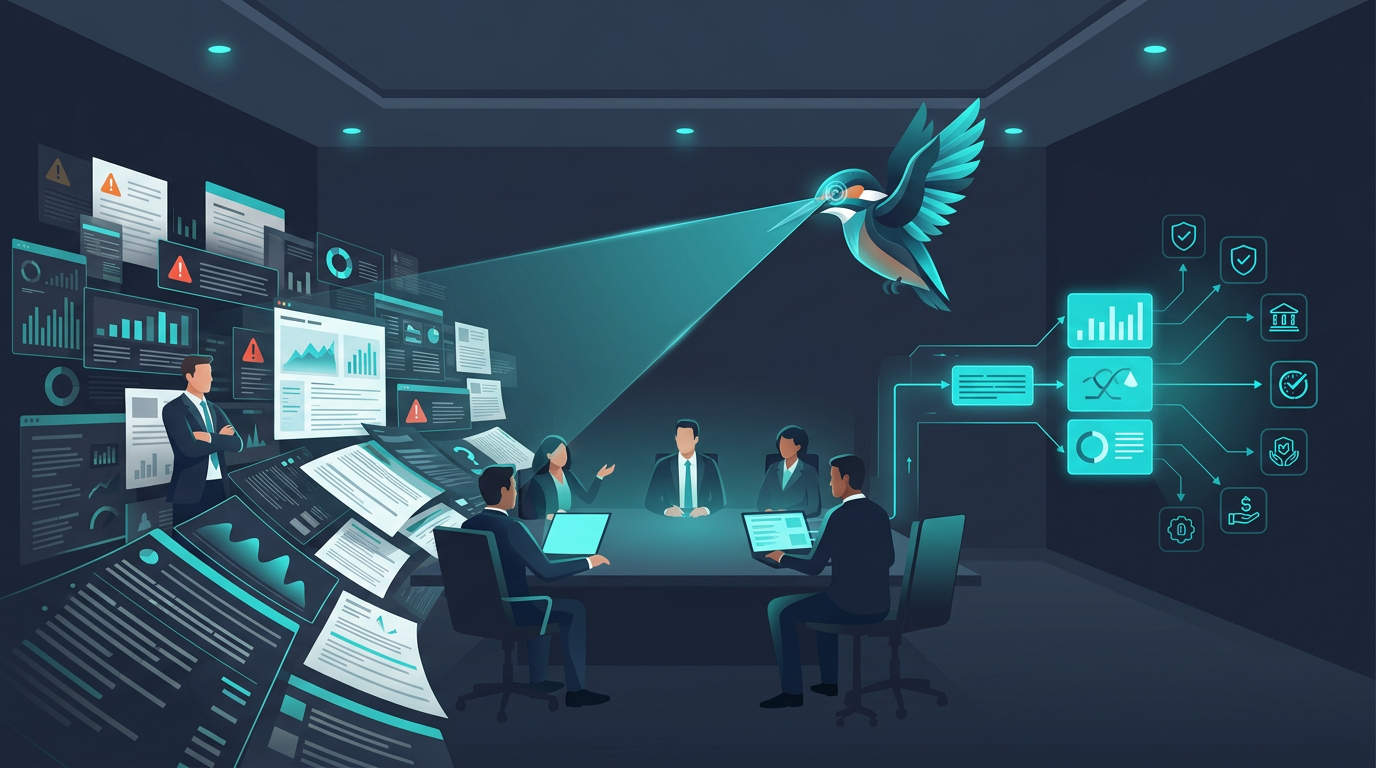
Automated tooling accelerates pieces of this process, but it often addresses only the testing step itself. The most important bottlenecks typically remain before and after the test: Prioritization, interpretation, stakeholder communication, and mobilization across technical, risk, and leadership teams.
SignalFisher’s approach is designed to close this gap by orchestrating security testing end to end, from scope to test to interpretation. The result is a living system that is always-on and adapts to change, supports GRC needs, and provides organizations a reliable view of their risk exposure over time.
Confidence from Coverage: Turning Security Testing into Business Assurance
This is the foundation of SignalFisher’s slogan, “Confidence from Coverage.” Coverage means that systems have been tested, are adjusted based on material changes to the environment and the organization understands what requires attention, why it matters, and how it connects to their specific business needs.
For C-level stakeholders, this distinction matters. Security testing should generate clear evidence that risk is being understood, tested, prioritized, and reduced in a way that supports the organization’s wider business objectives and risk tolerance.
An intelligent security testing program that never stops learning must be relevant, current, and trusted. Relevant, because testing must be grounded in business, technology, and compliance context. Current, because exposure changes continuously. Trusted, because strategic decisions require the right combination of intelligent automation, expert validation, and human accountability.

Identifying the Security Signals That Matter Most
The kingfisher’s hunting strategy reflects this strategic shift. A kingfisher does not react to every movement. It observes, filters, waits for the relevant signal, and acts with precision. Intelligent security testing follows the same principle: Separate noise from and direct resources to the areas where they create the greatest impact.
This is the transition organizations need to make: From static snapshots to living, adaptive coverage, from isolated findings to an interconnected intelligence, program, from testing as a scheduled project to testing as a live stream that shifts in real-time with the business.
Cyber Resilience in the Gulf Region: A Strategic Signal from GISEC
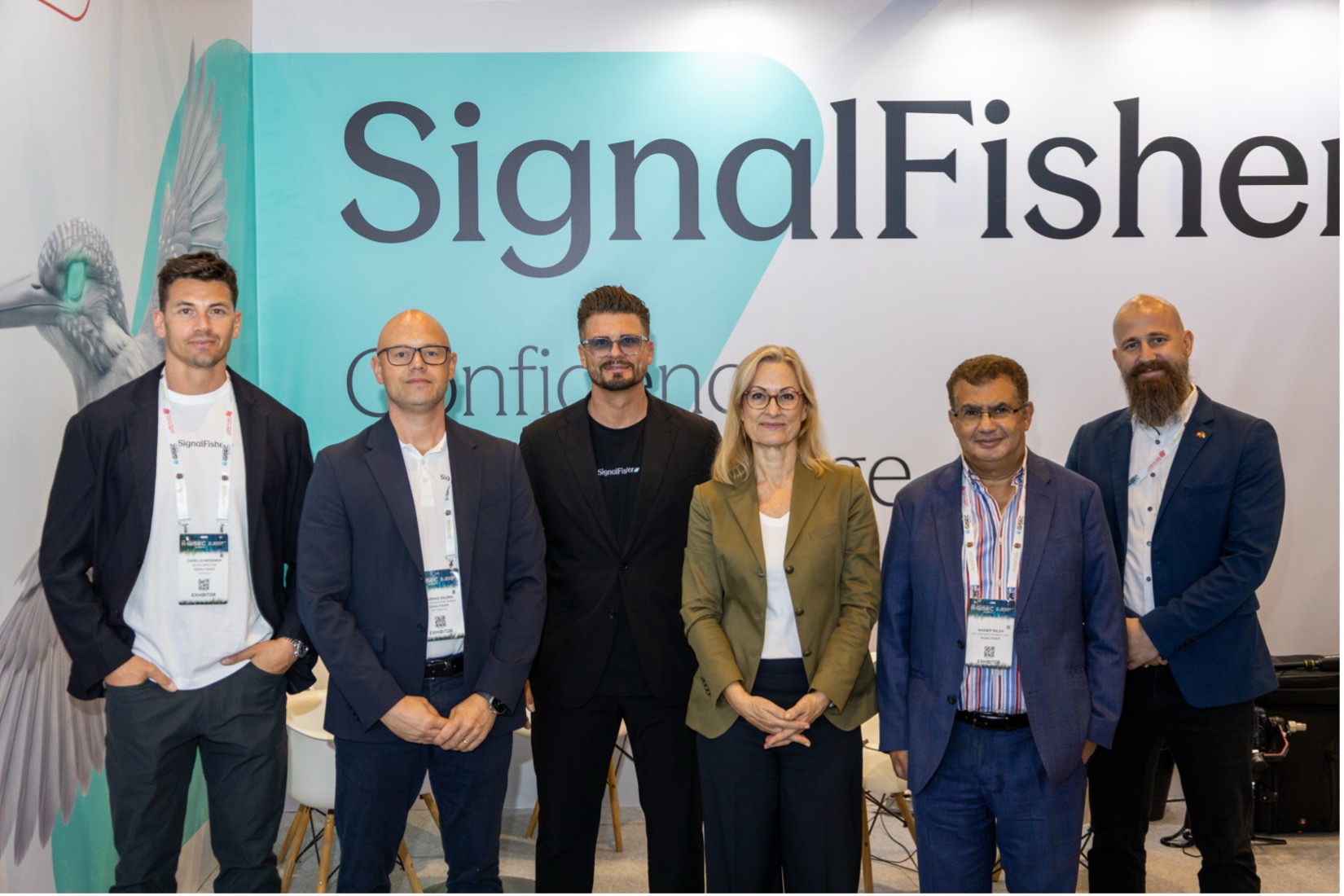
GISEC Global brought together cybersecurity leaders, innovators, and decisionmakers from across the Gulf region and beyond. For SignalFisher, the event was an opportunity to contribute to a strategic conversation about how enterprises can strengthen their cyber resilience in fast-moving, AI-connected world.
SignalFisher is bringing Swiss-made intelligent security testing to organizations that need stronger, faster, and more adaptive ways to demonstrate their current security coverage. Confidence comes from knowing where to look, understanding what matters, and acting on the right signal at the right time.
Do you have confidence in your coverage today?
Reach out to our experienced researchers for more information.